Kayak Fishing San Diego Bay: Best Areas, Seasons, and Setups for Spotties, Halibut & More
Kayak fishing San Diego Bay is one of the most consistent saltwater kayak fishing options on the West Coast. The bay is long, narrow, mostly protected from surf, and loaded with tidal current, deep channels, flats, eelgrass edges, docks, bridge pilings, rock walls, and marina structure.
That mix creates year-round habitat for spotted bay bass, California halibut, mackerel, sand bass, and occasional bonus fish near the bay mouth when bait and warm water line up. Because much of the bay is sheltered compared with open-coast launches, it can be friendly for kayaks, but only if you respect wind, tide, naval security zones, commercial traffic, ferries, and busy launch ramps.
Quick Answer: Kayak fishing San Diego Bay is best for anglers who want protected saltwater, year-round spotted bay bass, halibut opportunities, eelgrass edges, docks, bridge pilings, and short paddles compared with surf launches. Beginners should start in calmer South Bay or sheltered launch areas, while more experienced anglers can fish closer to Shelter Island and the bay mouth when wind, tide, and boat traffic are manageable.
Table of Contents
San Diego Bay at a Glance
| Category | Best Starting Point |
|---|---|
| Best beginner areas | South Bay, Glorietta Bay, sheltered launch areas, and calm morning windows |
| Best target species | Spotted bay bass, California halibut, mackerel, sand bass, and occasional yellowtail near the mouth |
| Best structure | Eelgrass edges, docks, bridge pilings, rock walls, channel breaks, marinas, and sandy drop-offs |
| Best season | Year-round, with spring through fall usually offering the most active mixed-bag fishing |
| Main safety concerns | Wind, boat traffic, shipping lanes, naval security zones, ferries, and afternoon chop |
| Best beginner strategy | Launch early, stay out of main channels, fish protected structure, and keep the trip short |
The bay is forgiving compared with surf launches, but it is not a pond. San Diego Bay is an active commercial, military, and recreational harbor. Good kayak fishing here starts with choosing the right launch, fishing a manageable section, and staying visible and predictable around other boat traffic.
Best Kayak Fishing Areas in San Diego Bay
South Bay
South Bay, near Chula Vista and National City, is shallow, eelgrass-rich, and full of life. It is one of the better starting points for kayak anglers who want protected water and steady action without getting too close to the main shipping channel.
Why it’s productive:
- Eelgrass beds and channels create ambush points for spotted bay bass and halibut.
- There is less commercial shipping traffic than the main harbor.
- Large flats move bait with the tide.
- It gives beginners more room to learn boat control before fishing busier water.
What to target:
- Spotted bay bass: The bread-and-butter fish of the bay. They are aggressive, structure-oriented, and hit a wide variety of artificials.
- Halibut: Often lying on channel edges, drop-offs, sandy lanes, and eelgrass transitions.
- Croaker, rays, and other bycatch: Common when bouncing bottom baits like squid or bait strips.
Kayak approach: Drift or slow-troll along eelgrass edges and channel breaks with swimbaits, small hardbaits, or bait. Use the wind or tide to move you, then adjust your drift with light pedal strokes or paddle taps.
Coronado: Glorietta Bay and the Bridge Area
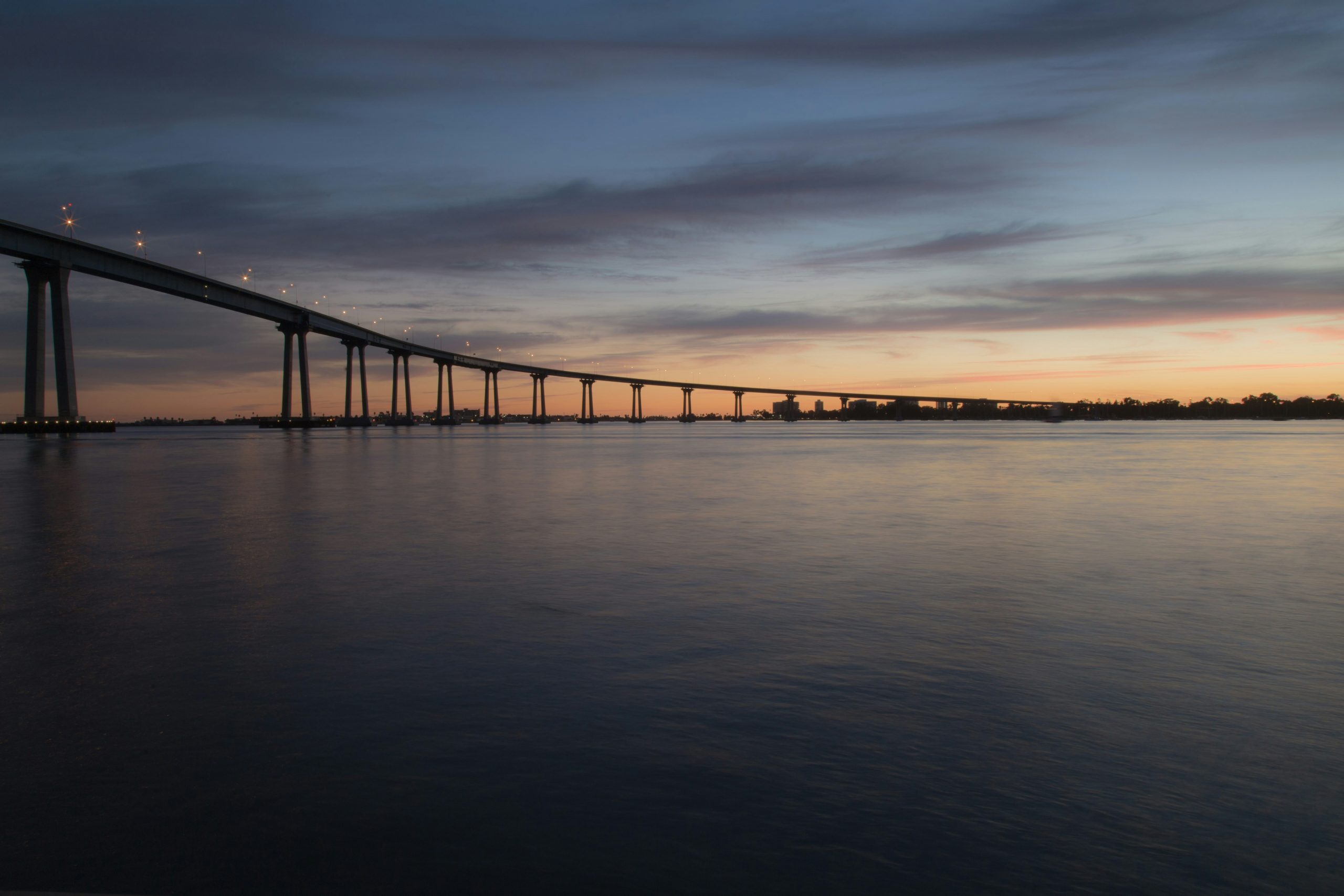
The Coronado side of the bay has a mix of shallow flats, moorings, bridge pilings, and deeper channels near the Coronado Bridge. It can fish well, but kayak anglers need to pay attention to navigation routes and restricted areas.
Why it’s good:
- Current through the bridge area and nearby channel turns can position bait and fish.
- Mooring fields, docks, rock, and pilings hold spotted bay bass and sand bass.
- Glorietta Bay offers protected water when conditions are right.
What to target:
- Spotted bay bass and sand bass around pilings, moorings, and rock.
- Halibut on sandy bottom, channel edges, and grass-to-sand transitions.
Kayak approach: Work bridge pilings, mooring lines, and structure with jigs and plastics, but stay outside navigation lanes and avoid marked security zones around naval facilities.
Harbor Island
Harbor Island sits along the main channel near the airport. It is lined with marinas, rock walls, docks, and drop-offs, which makes it a good short-session option when wind and boat traffic are manageable.
Why it’s good:
- Rock walls and marina structure attract bait and bass.
- There is immediate access to deeper channel water for halibut and mackerel.
- The central location works well for quick morning or evening sessions.
What to target:
- Spotted bay bass along rocks, marina edges, and dock lines.
- Halibut on sandy patches and channel edges adjacent to structure.
- Mackerel in the main channel, often around bait and current seams.
Kayak approach: Run parallel to rock walls or marina edges, casting swimbaits or crankbaits tight to structure and working them down the slope. Stay clear of working boats and marina traffic.
Shelter Island and the Bay Mouth
Shelter Island sits near the bay entrance alongside the main shipping channel. It can be very productive, but kayak anglers need to take boat traffic, current, and visibility seriously here.
Why it’s a prime area:
- Quick access to deeper water and the bay mouth.
- Rock structure, pilings, and channel edges hold bass, halibut, mackerel, and sometimes yellowtail when conditions line up.
- Developed launching facilities are nearby, but this also means serious boat traffic.
What to target:
- Spotted bay bass and sand bass on rocks and structure.
- Halibut on sandy flats and edges leading toward the bay mouth.
- Mackerel and occasional yellowtail in the channel and just inside the mouth when bait is stacked and water is warm.
Kayak approach: Fish early to avoid the heaviest ramp and boat traffic. Stay out of the main shipping lane, use your PFD and flag, and watch for commercial and naval traffic entering and exiting the bay.
Launch Points Around San Diego Bay
San Diego Bay has several public boat launching facilities plus kayak-friendly soft launches. Exact rules and access details can change, so check current signs, parking rules, tide, and local restrictions before you unload.
| Launch Area | Best For | Kayak Notes |
|---|---|---|
| Shelter Island Boat Launch | Bay mouth, deeper water, bait, mackerel, halibut, and structure | Productive but busy. Stay clear of ramp lanes, shipping traffic, and the main channel. |
| Chula Vista / South Bay | Beginners, eelgrass, spotted bay bass, halibut, and calmer water | Good protected-water option, but watch shallow shoals and tide stage. |
| National City / Pepper Park | Mid-bay access, structure, channels, and South Bay options | Watch commercial activity, working waterfront traffic, and wind exposure. |
| Glorietta Bay | Coronado, bridge-area fishing, protected water, and short sessions | Useful protected launch, but pay attention to moorings, boat wakes, shallow areas, and navigation routes. |
| Kellogg Beach / Point Loma | Soft-launch option near Shelter Island and La Playa | Verify parking, local signs, tides, and access before launching. Good for experienced paddlers who understand nearby boat traffic. |
Official ramp note: The main developed boat-launching facilities on San Diego Bay are Shelter Island, Chula Vista, National City, and Glorietta Bay. For current launch details, check the Port of San Diego boat launching ramps page before your trip.
Kellogg Beach note: Kellogg Beach is better treated as a soft-launch possibility, not a formal boat ramp. It can be useful for kayaks and paddlecraft, but parking, neighborhood access, tide, and local signage matter. Do not assume it will work for every trip.
Wherever you launch:
- Rig your kayak away from the main ramp, then launch quickly.
- Know where the main channel, no-wake zones, shallow flats, and restricted areas are.
- Never block trailer lanes with a kayak.
- Check signs, parking limits, launch rules, and local access restrictions before you unload.
- Have a backup launch in mind in case wind, crowding, parking, or access rules make your first choice a bad fit.
Seasonal Patterns in San Diego Bay
Kayak fishing San Diego Bay can be done year-round, but some species and techniques peak during certain windows. Tide, bait movement, water clarity, and wind often matter more than the calendar alone.
Winter: December to February
- Water is coolest, but bay temperatures are still milder than the open ocean.
- Spotted bay bass bite steadily around structure all winter.
- Halibut are catchable year-round, with many anglers grinding winter for larger fish staging in channels and around bait.
- Mackerel schools may be deeper, so focus on channels and bait marks.
Kayak strategy: Fish slower, contact-based presentations such as light jigs, Carolina rigs, dropper rigs, and slow-rolled swimbaits along bottom and structure.
Spring: March to May
- Baitfish activity improves and more halibut slide onto edges and drop-offs.
- Halibut action often improves moving into late spring and early summer.
- Spotties continue to be reliable around eelgrass, docks, rocks, and bridge structure.
Kayak strategy: Work transitions: sand-to-grass, channel-to-flat, rock-to-sand, and dock-to-open-water edges. This is a great time to cover water with swimbaits and search baits to locate feeding zones.
Summer: June to August
- Halibut activity can be strong in the bay during warmer months.
- Spotted bay bass fish well at all light levels; early and late for shallower areas, mid-day for deeper structure.
- Mackerel and bonito can push into the bay, particularly near the mouth and channels.
- Occasional yellowtail may show near the bay mouth on strong warm-water years.
Kayak strategy: Launch early to beat wind and boat traffic. Target bass and halibut on structure, and keep a heavier rod rigged if bait and fast-moving fish show near the mouth.
Fall: September to November
- Water is still warm early in the fall, and halibut and spotties remain active.
- Transition months bring mixed surface life, including mackerel and small pelagics around channels and bait.
- As temperatures drop later in fall, fish may shift deeper, but the bite can stay steady.
Kayak strategy: Treat early fall like summer. Later in the season, slow your retrieve, fish slightly deeper, and pay closer attention to tide movement and bait.
Species Overview
Regulation note: California saltwater fishing rules can change, so always check the current California Department of Fish and Wildlife ocean sport fishing regulations before keeping fish.
Spotted Bay Bass
- Role: Primary target and numbers fish for San Diego Bay anglers.
- Habitat: Eelgrass, docks, rock walls, bridge pilings, marinas, and hard structure.
- Behavior: Aggressive and structure-oriented. Spotted bay bass hit many artificials and fight hard for their size.
- On light tackle: A 14- to 16-inch fish is a fun fight from a kayak.
Regulations: Spotted sand bass are part of California’s saltwater bass complex with kelp bass and barred sand bass. Check current CDFW rules for minimum size, bag limits, seasons, and any local updates before keeping fish.
California Halibut
- Habitat: Sand and mud near rock or eelgrass edges, channel drop-offs, sandy lanes, and harbor mouths.
- Behavior: Ambush predators that lie on bottom and feed when tide moves bait across their line of sight.
- Kayak advantage: You can slowly drift channel edges and flats at a natural pace.
Regulations: California halibut rules can vary by region and may change. Always confirm the current size and bag limits before keeping one.
Mackerel
- Habitat: Open channel, bait schools, piers, bait barges, and areas around Harbor Island or Shelter Island when bait is thick.
- Behavior: Schooling pelagics that often show in big numbers.
- Best approach: Small metals, spoons, and bait rigs worked quickly through the water column.
Sand Bass
- Habitat: Deeper structure, channels, pilings, rock, and current-influenced areas.
- Behavior: Often caught while fishing the same structure and deeper presentations used for spotted bay bass.
- Best approach: Swimbaits, jigs, grubs, and deeper structure baits worked near bottom.
Yellowtail: Occasional Inside the Bay
- Habitat: Usually outside around kelp and offshore structure, but occasionally near the bay mouth and Shelter Island when water is warm and bait is thick.
- Behavior: Powerful, fast fish that demand appropriate tackle and open-water awareness.
- Kayak note: Treat yellowtail inside the bay as a bonus, not your primary plan.
Regulations: Always check current CDFW rules for Pacific yellowtail before keeping fish.
Recommended Lures and Techniques
Core Tackle for San Diego Bay Kayak Fishing
You can cover most of the bay with a simple, compact setup.
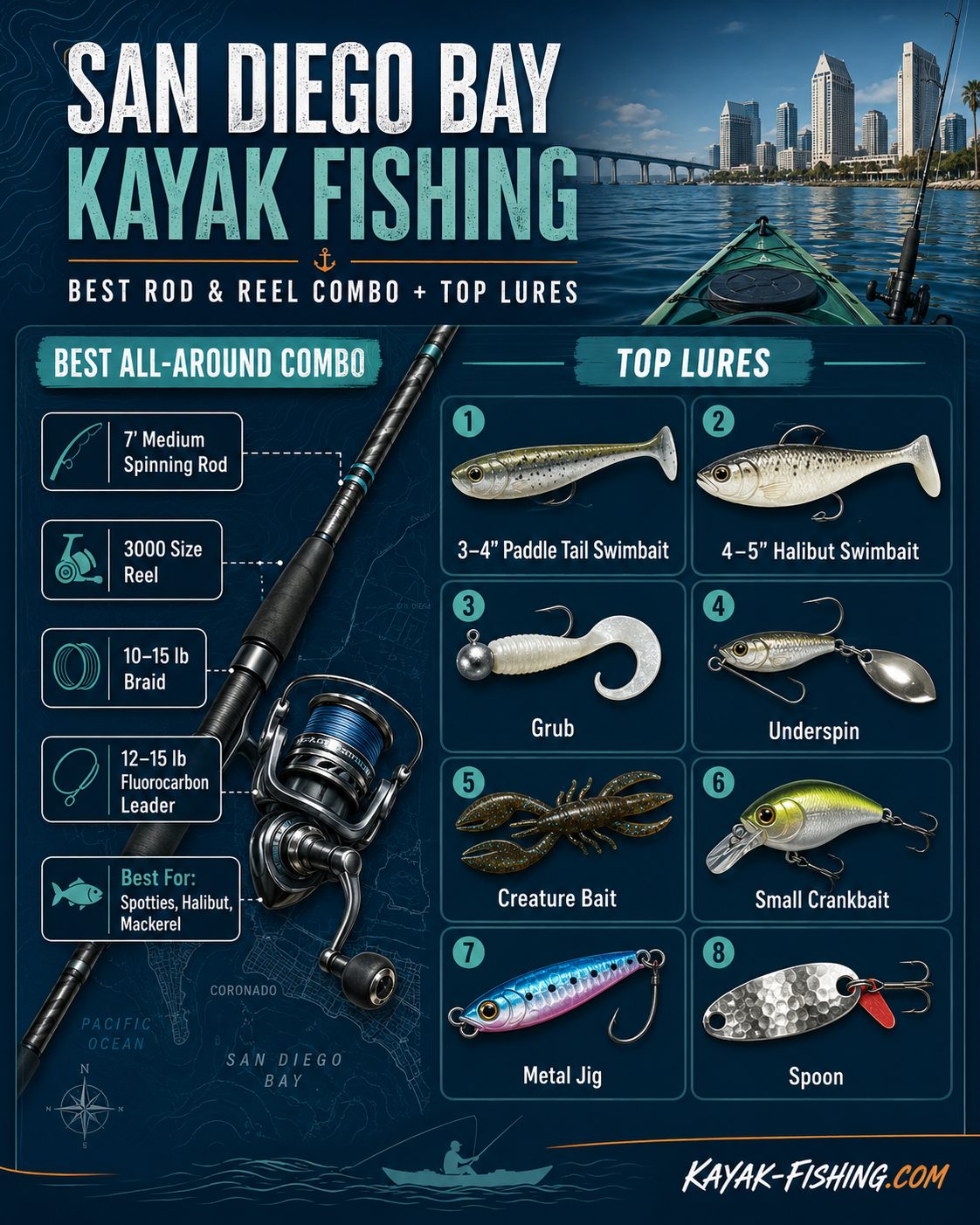
- Line: 10–20 lb braid mainline with 12–20 lb fluorocarbon leader.
- Rod 1: 7-foot medium-light to medium spinning or baitcasting rod for spotties, smaller swimbaits, and lighter lures.
- Rod 2: 7-foot medium-heavy rod for halibut swimbaits, heavier jigs, mackerel, or surprise yellowtail near the mouth.
Best Lures for San Diego Bay Kayak Fishing
| Target | Best Lures/Baits | Where to Fish Them |
|---|---|---|
| Spotted Bay Bass | 3–4 inch paddle tails, grubs, underspins, creature baits, small crankbaits | Eelgrass edges, rocks, docks, moorings, pilings, and marina structure |
| California Halibut | 4–5 inch swimbaits, Carolina rigs, dropper rigs, anchovy, sardine, squid, or live bait where legal | Sandy drop-offs, channel edges, grass-to-sand transitions, and harbor-mouth flats |
| Mackerel | Small metal jigs, spoons, sabiki-style bait rigs where legal | Bait schools, piers, channel edges, Shelter Island, and Harbor Island |
| Sand Bass | Swimbaits, jigs, grubs, and deeper structure baits | Bridge pilings, rock, deeper channel edges, and current seams |
| Bonus Yellowtail | Heavier irons, live bait, 1–3 oz jigs, and stronger tackle | Near the bay mouth when warm water and bait line up |
Spotted Bay Bass Setups
Soft swimbaits and grubs:
- 3–4 inch paddle-tail swimbaits on 1/8–3/8 oz jigheads.
- Natural baitfish colors such as smelt, sardine, baitfish, or darker bay colors.
Technique: Cast tight to structure like rocks, docks, pilings, and grass edges. Let the bait sink to mid-water or bottom, then slow-roll it with occasional twitches. Spotties often hit as the lure moves over transitions.
Creature baits and worms: Texas-rigged creatures or worms on 1/8–1/4 oz bullet weights can work well around eelgrass edges, sandy holes, and structure. Drag and hop them along grass lines and sandy pockets.
Halibut Techniques
Slow-rolled swimbaits: Use 4–5 inch swimbaits on 1/2–1 oz heads for deeper channels and drop-offs. Keep contact with bottom and alternate between slow rolling and lift-and-drop retrieves.
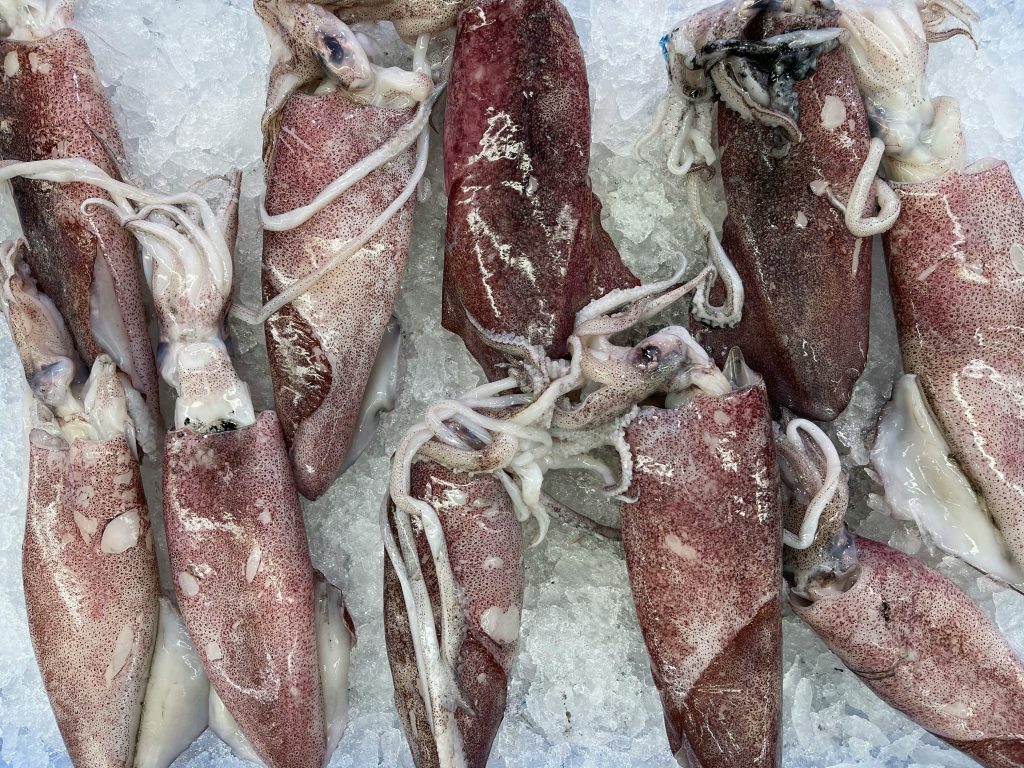
Carolina or dropper rigs with bait: A sliding egg sinker, swivel, 2–3 feet of leader, and a hook with anchovy, sardine strip, squid, or live bait can work well when drifting with the tide across edges and flats.
Keep your line at a shallow angle so you can feel bottom and detect bites. Halibut often feel like weight before they feel like a sharp strike.
Mackerel and Yellowtail Techniques
Mackerel: Small metal jigs or spoons, usually 1/2–1 oz, are useful around bait schools, piers, and bait-heavy areas. Use a fast, steady retrieve or yo-yo the lure up through the water column.
Yellowtail, when present: Heavier irons, 1–3 oz jigs, or live bait rigs can work when better fish push near the mouth. Use gear heavy enough to handle a powerful fish in current and boat traffic, and do not chase breaking fish into unsafe water.
Kayak Safety in San Diego Bay
San Diego Bay is relatively protected water, but it is still a busy commercial and military harbor with strong rules, security zones, and serious vessel traffic.
San Diego Bay is not just recreational water; it is an active commercial and military harbor. When in doubt, give restricted areas, Navy vessels, cruise ships, tugboats, ferries, and working waterfront activity far more room than you think you need.
Wind and Afternoon Chop
- Mornings are often calmer.
- Afternoon sea breezes can build chop along the main channel.
- Plan your route so you paddle upwind or up-channel first, then drift, pedal, or paddle back with help.
Check marine forecasts rather than only land-based weather apps so you can see wind, small-craft advisories, and bay conditions.
Naval Traffic and Security Zones
San Diego Bay hosts multiple Navy bases, shipyards, and restricted waterfront facilities. Some areas are permanent security zones, and there may also be temporary or vessel-specific security zones around certain commercial, cruise, military, or government vessels.
- Stay clear of marked security zones around Naval Base San Diego, Naval Base Coronado, and other restricted waterfront facilities.
- Obey posted signs, buoys, Coast Guard instructions, Harbor Police instructions, and security zone markers.
- Give commercial ships, Navy vessels, cruise ships, tugboats, ferries, and barges a wide berth.
- Never cross close in front of large vessels. They cannot stop or turn for a kayak the way a small boat can.
Harbor Rules and Traffic
The Port of San Diego area can have dense commercial traffic, recreational boaters, ferries, security zones, and restricted navigation areas. A kayak sits low and can be hard for larger vessels to see.
- Stay out of main shipping lanes whenever possible.
- Use a bright PFD, high-visibility kayak, and tall safety flag.
- Avoid lingering in turning basins or near tugboats and barges.
- Use extra caution around marinas, ramps, ferries, bridge areas, and blind corners.
- Do not assume a larger vessel sees you just because you can see it.
Basic Safety Gear
At minimum, carry:
- A Coast Guard-approved PFD, worn instead of stowed. See my guide to the best PFDs for kayak fishing.
- A whistle or other sound-signaling device.
- A waterproofed phone or VHF radio.
- A headlamp or 360-degree white light if launching in the dark.
- Sun protection and plenty of water.
- A small anchor or positioning tool if you plan to hold near structure. See my guide to the best kayak anchors.
Plan your San Diego Bay kayak fishing setup:
FAQs: Kayak Fishing San Diego Bay
Do I need a fishing license to kayak fish San Diego Bay?
Yes. A valid California sport fishing license is required for most anglers age 16 or older fishing San Diego Bay, including from kayaks. You also need to follow current California saltwater regulations for bass, halibut, yellowtail, and other species.
Is San Diego Bay good for beginners in a kayak?
It can be. Compared with open-coast surf, the bay is more protected and usually has smaller chop. Beginners should start in South Bay or other sheltered areas, avoid the main shipping channel, stay clear of Navy and security zones, and launch early to avoid heavy boat traffic and afternoon wind.
If you are brand new, start with my kayak fishing for beginners guide before planning a busy harbor trip.
What’s the best time of year to fish San Diego Bay?
You can catch fish year-round, but many kayak anglers focus on spring through fall for stronger overall activity and halibut opportunities. Winter can still produce consistent spotted bay bass around structure, while summer and early fall may bring more bait and occasional fast-moving fish near the bay mouth.
How many rods should I bring?
Two rods are enough for most San Diego Bay kayak fishing trips. Bring one medium-light or medium setup for spotties and lighter lures, plus one medium-heavy setup for halibut swimbaits, heavier jigs, mackerel, or bonus yellowtail near the mouth. More rods usually mean more clutter and tangles on a small kayak.
What are the best lures for San Diego Bay kayak fishing?
The best starting lures are 3–4 inch paddle-tail swimbaits, grubs, underspins, creature baits, small crankbaits, and 4–5 inch swimbaits for halibut. Small metal jigs and spoons are useful when mackerel or bait schools are around.
Where should I launch a kayak in San Diego Bay?
The main developed boat-launching areas are Shelter Island, Chula Vista, National City, and Glorietta Bay. Kayak anglers may also consider soft-launch options like Kellogg Beach when access, parking, tides, and local signs allow. Choose your launch based on wind, traffic, target species, and how far you realistically want to paddle.
Are there special rules for filleting fish in the bay?
Yes, California has fillet rules that help wardens confirm species and size limits. Rules can vary by species and may change, so check current CDFW regulations before filleting fish on the water or before returning to shore. If you are unsure, keep fish whole on ice and fillet at home or at a legal cleaning station.
Final Thoughts
San Diego Bay is tailor-made for kayak anglers: protected water, strong tidal movement, lots of structure, and a year-round mix of spotted bay bass, halibut, mackerel, sand bass, and occasional bonus fish near the mouth. With a simple two-rod setup, a handful of swimbaits and jigs, and a basic understanding of wind, tide, and harbor rules, you can build a reliable, repeatable program here.
If you match your launch to the conditions, focus on high-percentage zones like eelgrass edges, channel breaks, docks, rocks, and bridge structure, and keep your safety practices strict around naval and commercial traffic, San Diego Bay can quickly become one of your go-to kayak destinations.
Log your tides, drifts, launches, productive lures, and structure types. Each trip will make the bay feel smaller, more predictable, and more rewarding from a kayak.