Kayak Fishing Puget Sound: Best Areas, Seasons, and Setups for Salmon & Bottom Fish
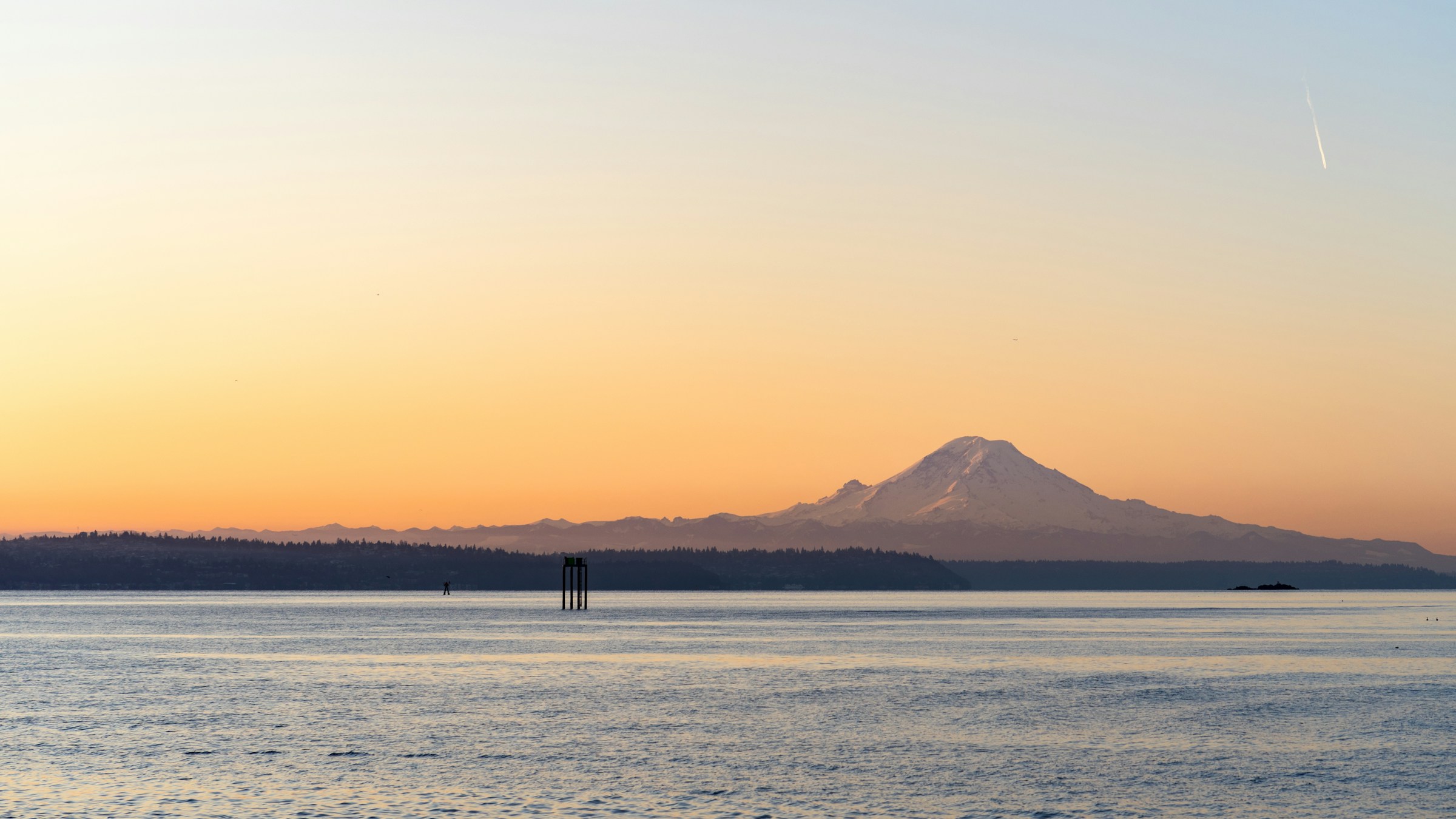
Puget Sound is a deep, cold, tidal fjord system with salmon, lingcod, rockfish, and flounder all within small-boat range. Covering more than 100 miles from north to south, it fishes like a chain of connected bays and channels, each with its own currents, bait, and structure.
For kayak anglers, the Sound offers everything from quiet, protected coves to big, moving water near major shipping lanes. If you learn where the fish travel, how tides and wind shape the water, and how to stay safe around cold water and ferry traffic, Puget Sound can become a reliable, year-round kayak fishery.
This guide breaks the Sound down into North, Central, and South areas, then covers launches, seasons, species, tactics, and safety with a kayak-first mindset.
Puget Sound rewards kayak anglers who treat it as a set of marine areas, tidal windows, and short routes — not as one big “go fish salmon” lake. I wanted this guide to name real launches, spell out the 2026–27 lingcod and rockfish rules that actually apply inside the Sound, and be honest that salmon seasons change by marine area and mid-season emergency rule. This page does not claim firsthand trips on Puget Sound; the specifics come from WDFW, Washington State Parks, and the other sources listed at the end.
Puget Sound by the Numbers
- Fish it by Marine Area, not by city name. Most kayak trips on the Sound fall in WDFW Catch Record Card Areas 8 through 13 (Whidbey, Seattle/Bremerton, Tacoma, Hood Canal, and South Sound). Areas 5–7 cover the Strait and San Juan waters and have different salmon and bottomfish rules.
- Lingcod: in Marine Areas 5–11 and 13, the angling season is May 1 through June 15 (spearfishing May 21–June 15). Marine Area 12 (Hood Canal) is closed to lingcod year-round. Hook-and-line lingcod must measure 26 to 36 inches, with a typical daily limit of 1 inside these areas.
- Rockfish: in Marine Areas 6–13, the daily rockfish limit is 0. If you hook one while lingcod or flounder fishing, release it quickly. WDFW requires a descending device on board and ready to use when you fish for or possess bottomfish or halibut.
- Salmon seasons are not annual constants. The 2026–27 package was adopted by WDFW and can still be changed in-season. Check the current pamphlet and FishRules (or the WDFW regulations page) for your exact Marine Area the morning you launch.
Table of Contents
Best Kayak Fishing Areas in Puget Sound
North Sound
General zone: Roughly from the Tacoma Narrows north to the Strait of Juan de Fuca, including Everett, Mukilteo, Whidbey, Fidalgo, and the Deception Pass area.
Why it’s good:
- Mix of open basins, points, and strong current zones
- Access to salmon, lingcod, flounder, and more in reasonable paddling ranges
Key kayak areas:
- Fidalgo Island & Deception Pass: Scenic, high-current zone with rock structure and strong tidal exchange. Great fishing, but only for experienced paddlers who understand tide timing.
- Everett / Mukilteo: Popular salmon areas with access to coho and chinook when open, plus flounder on softer bottom.
- Admiralty Inlet / Whidbey edges: Travel lanes for salmon and bait, with points and current seams that line up well for trolling and mooching.
Kayak angle:
Use points, current lines, and edges where depth changes quickly. Plan routes that let you drift with tide or wind rather than fight both all day.
Central Sound
General zone: Seattle, Bainbridge, Kitsap Peninsula, and the main basin down toward the Tacoma Narrows.
Why it’s good:
- Heavily populated but full of structure: reefs, breakwaters, points, and channel edges
- Coho salmon pass through here in late summer, and lingcod season draws small-boat anglers to select reefs and rock piles.
Key kayak areas:
- Elliott Bay & Seattle shorelines: Salmon travel corridor with nearshore structure and urban access.
- Blakely Rock, Alki reef, Shilshole breakwaters: Classic lingcod and bottomfish structure reachable from shore launches on the Seattle/Bainbridge side in season.
- Blake Island / Colvos Passage: Known for good fishing and kayak camping; current seams along the island and Colvos can be productive.
Kayak angle:
Time sessions with softer tides for bottomfish, and use first light or last light for salmon traveling tight to shoreline structure.
South Sound
General zone: South of Tacoma Narrows down to Olympia, including Gig Harbor, Case Inlet, Hammersley, Henderson, and Nisqually Reach.
Why it’s good:
- Narrow channels and inlets create “estuaries within an estuary” with strong tidal influence and good habitat.
- Plenty of protected water where you’re never far from shore.
Key kayak areas:
- Tacoma Narrows & surrounding structure: Premier lingcod zone, fished carefully on tide changes or very soft tides.
- Gig Harbor / Fox Island / Henderson Bay: Protected coves and channels with tidal movement and bait—good options for salmon passes and bottomfish.
- Case & Hammersley Inlets, Nisqually Reach: Productive tidal inlets and delta areas for mixed salmon and bottomfish, with strong current in constricted sections.
Kayak angle:
This is some of the friendliest kayak water in the Sound if you respect current. The inlets also give you options to shorten or lengthen a trip based on weather and tide.
Launch Points and Access
There are dozens of public launches around Puget Sound. Here’s how to think about them, plus some commonly used examples.
Named Public Launches Worth Researching
There are dozens of public ramps and beach accesses around the Sound. The table below is a starting set of named, commonly used public accesses — not a complete directory. Confirm parking hours, fees, and whether a hand-launch or trailer ramp is actually open before you go.
| Launch | Part of the Sound | Why it may fit a kayak trip | Check before you go |
|---|---|---|---|
| Deception Pass State Park (Cornet Bay / Bowman Bay) | North Sound, near Area 8 / the Pass | The park is the named public access for the Deception Pass area already discussed above. Cornet Bay offers a more protected ramp environment than the pass itself; Bowman Bay is a beach-and-cove start. The fishing can be excellent, but the current in the pass is not a beginner classroom. | Washington State Parks — Deception Pass hours, parking, and the tide/current prediction for the pass. |
| Mukilteo and Edmonds public ramps / waterfronts | North Sound | Town ramps and waterfront accesses that local salmon and flounder anglers actually use, with nearby structure and ferry traffic you have to plan around. | City or port launch fees, ferry wake, and the Marine Area 8 or 9 salmon rule for that date. |
| Shilshole / Ballard and Elliott Bay waterfront accesses | Central Sound, Area 10 | Urban access to a salmon travel corridor and nearshore structure. Productive and busy. Stay out of the main marina fairways and give commercial and ferry traffic a wide berth. | Seattle or marina launch rules, and Area 10 salmon openings, which are often limited and mark-selective. |
| West Seattle / Alki-area hand launches | Central Sound, Area 10 | Hand-launch options for Alki reef and nearby bottomfish or salmon water when the season is open. Existing language on this page already treats Alki as reachable structure from the Seattle side. | Beach or park hours, swell and boat wake, and whether lingcod season is actually open (May 1–June 15 in a normal year). |
| Gig Harbor, Fox Island, and Tacoma Narrows-adjacent parks | Central to South Sound, Areas 11 and 13 | More protected water than the main Seattle basin, with access to Narrows-area structure for experienced paddlers and to quieter South Sound inlets for a first trip. | The Narrows itself is a current problem, not a casual first paddle. Confirm park hours and Area 11/13 salmon rules. |
| Luhr Beach (Nisqually area) and other South Sound ramps | South Sound, Area 13 | Luhr Beach is a known access toward the Nisqually delta, but it is tide-dependent and can leave you on mud if you ignore the chart. South Sound is often the more beginner-friendly end of the system when you stay out of pinch points. | Tide height, mudflat exposure, and any refuge or local access notices. |
North Sound Launch Types
- Marinas & public ramps: Everett, Edmonds, and other North Sound towns have big-boat ramps that also work for kayaks. Launch early, rig off to the side, and stay out of the main lanes.
- State park / beach access: Deception Pass State Park and Fidalgo-area beaches provide access to current seams and structure—only for experienced paddlers who understand tidal windows.
Central Sound Launch Types
- Urban waterfronts: Elliott Bay, Shilshole, and similar marinas offer close access to salmon water but come with heavy boat traffic.
- Parks & small beaches: Spots like Seahurst, West Seattle access points, and Kitsap parks allow hand launching for nearshore structure and island drifts.
South Sound Launch Types
- Public parks: Dash Point Park, Titlow Beach, and Foss Waterway access are all used by local paddlers on the Tacoma side of the Sound. Golden Gardens is a Seattle (Ballard) beach access, not a Tacoma launch, and belongs with the Central Sound urban options.
- Smaller ramps: Luhr Beach near the Nisqually delta is a known access for exploring South Sound and requires careful tide planning due to shallow water and mud flats.
Local tip: For any launch, check:
- Parking hours, fees, and local rules
- Exposure to wind and fetch (you may be launching into chop on onshore wind)
- Proximity to strong current pinch points—great fishing but not where you want to learn the basics
Seasonal Patterns in Puget Sound
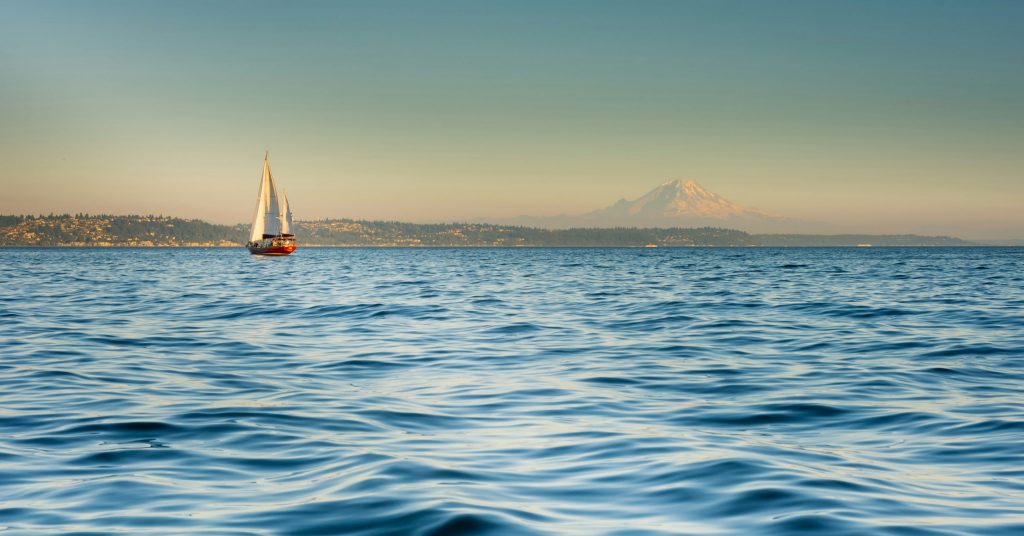
Regulations and exact salmon seasons change year to year by marine area, so always confirm current rules with WDFW before your trip.
Spring (March–May)
- Salmon:
- Some areas have spring chinook or blackmouth opportunities, but seasons are tightly managed.
- Many anglers shift focus to resident coho or wait for summer runs.
- Bottomfish:
- Lingcod season in many Central Sound marine areas (e.g., MA 10) typically runs roughly May 1–June 15, with a slot size for retention.
- Flounder become a consistent option in shallow sandy areas well under 120 feet.
Kayak takeaway:
Spring is the time to learn nearshore structure and current seams for lingcod and flounder, while watching salmon regulations for short windows.
Summer (June–August)
- Salmon:
- Summer coho and other salmon runs push into Puget Sound, with peak coho action often in August and September in many central and north Sound areas.
- Bottomfish:
- Lingcod retention usually closes in mid-June for many marine areas, but other bottomfish seasons may continue with depth and species restrictions.
Kayak takeaway:
Focus on early-morning salmon trolling or casting in travel lanes and current edges. Watch for surface activity, bait, and birds to guide you.
Fall (September–November)
- Salmon:
- Prime coho time, with fish passing central Sound (Seattle/Tacoma/Edmonds) and staging near river mouths.
- Mixed species:
- Some areas still have opportunities for flounder and other bottomfish within depth and species limits.
Kayak takeaway:
Fall is one of the most consistent kayak seasons—stable weather windows, active salmon, and less recreational boat traffic once summer crowds fade.
Winter (December–February)
- Salmon:
- Winter blackmouth seasons have become increasingly limited, with closures or encounter-driven quotas in many marine areas.
- Safety:
- Water is dangerously cold year-round, and winter air temps amplify hypothermia risk.
Kayak takeaway:
Winter outings are for well-equipped, experienced paddlers with drysuits and conservative routes. Many kayak anglers shift to planning, rigging, and studying charts in this period.
Species Overview for Puget Sound Kayak Anglers
Salmon
- Primary focus: Coho (silvers) and chinook (kings) in most marine areas, plus pinks in odd-numbered years.
- Where: Travel lanes along points, shorelines, and edges; rips and bait concentrations in open water.
- Behavior:
- Coho often run higher in the water column and will chase spoons or small plugs.
- Chinook are more structure-oriented and frequently deeper.
Lingcod
- Where: Reefs, rock piles, bridge pilings, and steep structure like Tacoma Narrows, Alki reef, Blakely Rock, and similar spots.
- Behavior:
- Ambush predators holding tight to structure.
- Opportunistic; respond to jigs, swimbaits, and bait.
- Regulations:
- Slot limit (e.g., 26–36 inches in many marine areas) and short seasons; always verify current rules.
Rockfish
- Where: Historically similar structure as lingcod, but now heavily protected.
- Regulations:
- In Puget Sound (Marine Areas 6–13) it’s unlawful to fish for, retain, or possess rockfish; bottomfish fishing is prohibited in waters deeper than 120 feet to protect ESA-listed rockfish.
Kayak takeaway:
Fish shallower than 120 ft, release any incidentally hooked rockfish quickly and carefully, and carry a descending device as required for deeper-water areas.
Flounder
- Where: Soft, sandy bottom areas throughout the Sound, often in moderate depths, especially in shallower zones within the 120-ft closure line.
- Behavior:
- Hold near bottom, often around subtle depressions, channel edges, or near structure.
- Readily take small bait or jig presentations.
Licenses, Marine Areas, and 2026–27 Bottomfish Rules
You need a valid Washington fishing license, plus a catch record card when you fish for salmon or other CRC species. Optional endorsements such as a two-pole endorsement are area- and season-specific. Buy and confirm the current license type on the WDFW fishing regulations page.
Salmon: do not leave home with a remembered “coho is open in September” rule. Openings, mark-selective rules, Chinook minimum lengths, and day-of-the-week restrictions vary by Marine Area and can be changed in-season. In the 2026–27 package, many central and north Sound areas have limited or pulsed Chinook openings and broader coho windows later in summer and fall, while Marine Area 13 is often the more consistently open South Sound option — but you still have to read the current Area 13 line, including unmarked-fish release rules, before you keep a fish.
Lingcod and rockfish, checked against the current WAC and WDFW bottomfish rules: Marine Areas 5–11 and 13 are open to lingcod angling May 1–June 15 (spearfishing May 21–June 15). Marine Area 12 is closed to lingcod year-round. The hook-and-line slot is 26 to 36 inches, and the inner-Sound daily limit is typically 1 lingcod within a broader bottomfish aggregate. Rockfish retention is 0 in Marine Areas 6–13. Carry a descending device and have it ready to use whenever you fish for bottomfish or halibut, and use it on any rockfish you intend to release from depth.
For another cold, tidal, traffic-heavy fishery already covered on this site, see the Lake Erie kayak fishing guide or the cold-water kayak safety guide.
Recommended Lures and Techniques
Salmon Setups
Trolling from a Kayak:
- 8–9’ medium or medium-heavy rod, 20–30 lb braid mainline
- 20–30 lb mono/fluoro leader
- In-line sinker or simple diver (keep it kayak-friendly and compact)
- Lures:
- Small trolling spoons, hoochies, or plug-cut herring
- For coho, fast trolling spoons and small plugs that create erratic action work well.
Casting for Coho:
- 1/2–1 oz spoons or metal jigs
- 3–5″ soft-plastic minnows on 3/8–1/2 oz jigheads
- Cast ahead of travel direction and work lures with a medium-fast retrieve in the upper water column.
Lingcod Techniques
Vertical & Pitch Jigging:
- 6’6″–7’ MH rod, 40–50 lb braid, 40–60 lb leader
- 2–6 oz metal jigs or big lead jigs with grub/swimbait trailers
- Target edges of reefs, bridge pilings, and rock piles on slower tides at spots like Tacoma Narrows, Alki, Blakely Rock, and similar structure.
Swimbaits Along Bottom:
- Large paddle-tail soft plastics on heavy jigheads
- Lift-and-drop or slow-drag along rocky bottom, always maintaining bottom contact.
Flounder Rigs
- Light to medium spinning rod, 10–15 lb braid, 10–15 lb leader
- 1–2 oz sliding sinker or simple dropper rig
- Small pieces of bait (clam, shrimp, strips of fish) or 2–3″ Gulp-style soft baits
- Drift across sandy flats in 30–80 feet and keep the rig bouncing along bottom.
Kayak Safety on Puget Sound
Puget Sound is big water with strong currents, cold temperatures, and heavy commercial and ferry traffic. Treat it with full respect. Wear a fishing-style PFD such as the NRS Chinook fishing PFD the entire time you are on the water, and dress for immersion, not for the air temperature on the dock. See the what to wear kayak fishing and the guide to the best PFDs for kayak fishing. A compact Newport grapnel anchor can help you hold a flounder drift on soft bottom, but do not anchor in a ferry lane or a current you cannot recover from. See the guide to the best kayak anchors.
Tides and Currents
- Narrow passages and inlets (Tacoma Narrows, Deception Pass, many South Sound inlets) can generate very strong currents that are not appropriate for casual paddling at max flow.
- Plan to fish around slower tides or at the slack/change in high-current zones.
Practical rules:
- Always check tide/current predictions and marine forecasts before launching.
- Paddle up-current first, drift or ride the current back.
- Avoid putting yourself in tight pinch points during max ebb or flood.
Cold Water
- Puget Sound water stays cold year-round; immersion risk is serious even on warm days.
- Dress for immersion (drysuit or proper cold-water layers), not just for air temperature.
- Practice self-rescue in controlled conditions before paddling far from shore.
Shipping Lanes, Ferries, and VTS
- Puget Sound has major commercial shipping lanes and Washington State Ferries under a US Coast Guard Vessel Traffic System (VTS).
- Large ships and ferries move fast, can’t maneuver easily, and may not see a low-profile kayak.
Safety habits:
- Stay well clear of marked shipping lanes and ferry routes.
- Never assume a ferry or ship can avoid you.
- Use a high-visibility PFD, kayak, and a tall flag; carry lights if you’re anywhere near low-light hours.
Legal and Regulatory Basics
- You must follow Washington boating rules and carry required safety gear (properly fitting PFD, sound device, lights in low visibility).
- Fishing regulations, seasons, and emergency changes for Puget Sound are published by WDFW and in the official Sport Fishing Rules; marine area pages give detailed salmon and bottomfish rules.
Make a habit of checking:
- Current WDFW regs for your marine area
- The Salmon Fishing Current blog or WDFW updates for in-season changes
Puget Sound Trip-Planning Checklist
- Marine Area and today’s rule: know your Catch Record Card area and read the current WDFW salmon and bottomfish rule for that area, including any in-season change.
- Tide and current: if your route includes Deception Pass, the Tacoma Narrows, or a tight inlet, fish slack or a modest flow — or pick a different launch.
- Marine forecast: check wind, fog, and small-craft conditions for the basin you will actually paddle, not only the city you are driving from.
- License and catch record card: valid Washington license, CRC if you will fish salmon or other CRC species, and a plan for releasing unmarked fish when the rule requires it.
- Descending device on board and rigged if you will fish bottomfish or halibut.
- Immersion clothing and a worn PFD: Sound water is cold even on a warm afternoon.
- Traffic plan: stay out of ferry lanes, marina mouths, and shipping channels; assume you are hard to see.
- Short first trip: pick protected South Sound or a quiet cove, not the Pass or the Narrows, for a first day.
Sources and Method
This guide does not claim firsthand kayak-fishing, launch, or boating experience on Puget Sound. Regulatory details were checked on November 23, 2026 against WDFW and the Washington Administrative Code. Launch rows describe publicly listed accesses; confirm current hours and fees before you go.
- Washington Department of Fish & Wildlife — Fishing regulations
- WDFW — North of Falcon / 2026–27 recreational salmon season package
- WAC 220-314-040 — Lingcod areas and seasons
- WAC 220-314-020 — Bottomfish possession limits (including rockfish and the 26–36 inch lingcod slot)
- WDFW — Recreational bottomfish and halibut fisheries (descending-device guidance)
- Washington State Parks — Deception Pass State Park
- WAC 220-313-060 — Puget Sound salmon seasons and daily limits (always check for in-season changes)
FAQs: Kayak Fishing Puget Sound
Do I need a license to kayak fish Puget Sound?
Yes. You need a valid Washington recreational fishing license, and certain fisheries (like salmon, halibut, and crab) also require catch record cards or endorsements. Details are in the official Sport Fishing Rules and on WDFW’s website.
What’s the best time of year to kayak fish Puget Sound?
For most kayak anglers:
- May–June: Lingcod and other bottomfish (where open), plus early salmon opportunities in some areas.
- August–September: Peak coho salmon season in many central and north Sound areas, with stable weather and strong kayak action.
There are fishable opportunities outside those windows, but these periods line up well with both fish and weather.
Is Puget Sound safe for beginner kayak anglers?
It can be, if you choose the right conditions and locations:
- Start in protected South Sound coves and inlets like Eld Inlet, sheltered sections of Gig Harbor, or similar low-current areas.
- Avoid high-current passes, exposed open water, and busy shipping lanes until you’re more experienced.
- Always dress for immersion and wear your PFD.
How many rods should I bring?
Two or three rods is plenty:
- Medium spinning or baitcasting setup (20–30 lb braid) for salmon spoons, plugs, and casting gear.
- Medium-heavy bottom rod (40–50 lb braid) for lingcod and heavier jigs.
- Optional lighter setup for flounder and small plastics.
More rods often just create tangles and clutter on a small deck.
Can I keep rockfish from a kayak in Puget Sound?
Generally no. In Marine Areas 6–13 (the core of Puget Sound) it is unlawful to fish for, retain, or possess rockfish, and bottomfish fishing is prohibited deeper than 120 feet to protect ESA-listed species.
You may catch rockfish incidentally while lingcod or flounder fishing; release them quickly and use a descending device where required.
Final Thoughts
Kayak fishing Puget Sound is all about managing big-water variables with small-boat tactics. Salmon travel along points and channels, lingcod hug structure in short, seasonal windows, and flounder blanket soft bottom—but everything is layered on top of strong tides, cold water, and heavy boat traffic.
If you:
- Break the Sound into North, Central, and South zones and learn each one step by step
- Choose launch points that keep you close to structure and out of main shipping lanes
- Build a tight tackle system around spoons, jigs, and simple bait rigs
- Treat safety—tides, currents, immersion gear, and traffic—as non-negotiable
…you’ll be positioned to fish Puget Sound confidently from a kayak. Start with short, conservative trips in protected water, let experience and logs guide your next moves, and the Sound will steadily open up more salmon drifts, lingcod reefs, and flounder flats every season you fish it.