Kayak Fishing Everglades National Park: Best Zones, Seasons, and Tactics for Snook, Redfish & Tarpon
Everglades National Park is one of the most unique kayak fishing destinations in the world. Vast mangrove mazes, endless bays, creeks, and salt marshes create a shallow-water playground that’s made for a quiet, stealthy kayak. From snook and redfish tight to the roots, to tarpon rolling in remote creeks and bays, the Everglades are built for small craft anglers who are willing to paddle a bit farther than everyone else.
This guide breaks down the best kayak fishing zones, launch points, seasonal patterns, key species, tackle, and safety so you can plan a smart, productive Everglades trip without feeling overwhelmed by the size of the park.
The Everglades is large enough that a generic “fish the mangroves” page does not help you launch. I wanted this guide to name the actual ramps, spell out the park entrance fee and the saltwater-versus-freshwater license split, and give the current FWC Southwest-region snook, redfish, and tarpon rules that cover park waters. This page does not claim firsthand trips in Everglades National Park; the specifics come from NPS and FWC sources listed at the end.
Everglades National Park by the Numbers
- Entrance fees (official NPS fees page, checked November 23, 2026): $35 for a private vehicle or vessel, or $20 per person arriving by foot, bicycle, or human-powered paddlecraft, each good for 7 consecutive days at all park entrances. An Everglades annual pass is $70. The park is cashless. Non-U.S. residents 16 and older must pay an additional $100 per person unless they enter with an annual or America the Beautiful pass.
- The Wilderness Waterway is 99 miles between the Gulf Coast (Everglades City) and Flamingo. NPS trip-planning materials treat a full transit as a multi-day wilderness trip, not a day paddle. Overnight camping at chickees or backcountry sites requires a permit, reserved on Recreation.gov.
- License split on the main park road: NPS says Nine Mile Pond is the dividing line. A Florida freshwater license is required at Nine Mile Pond and north of it; a saltwater license is required south of it. Gulf Coast (Everglades City) fishing requires a saltwater license. Children under 16, and Florida residents 65 and older, may be exempt — confirm on the current FWC and NPS pages.
- Park-specific fishing closures include Eco Pond, Mrazek Pond, and Coot Bay Pond at any time, plus no fishing at the Flamingo Marina and boat ramps, and at the Gulf Coast (Everglades City) marina and boat ramp, from sunrise to sunset. The park also imposes a 20-fish possession cap, with no more than 10 of any one species, unless a species already has a lower FWC bag limit.
Table of Contents
Best Kayak Fishing Zones in Everglades National Park
The Everglades is huge. To make it manageable, think of it in four main kayak-friendly areas.
Flamingo & Florida Bay (Homestead Side)
At the very southern tip of the park, Flamingo provides direct access to Florida Bay and the interior canal system. Facilities here include a marina, ramps to Florida Bay and Buttonwood Canal, camping, and kayak rentals.
What it offers from a kayak:
- Mangrove shorelines with ambush points for snook and redfish
- Shallow bays and grass flats for seatrout and snapper
- Channels and edges that hold juvenile tarpon in warm months
Florida Bay is wind-exposed, but you can usually tuck into sheltered coves, canals, and creeks on breezier days.
Ten Thousand Islands & Gulf Coast (Everglades City / Chokoloskee)
On the western side of the park, the Ten Thousand Islands around Everglades City and Chokoloskee form a massive mangrove island chain with creeks, bays, and river mouths. Much of this water lies within or directly adjacent to Everglades National Park.
Why kayak anglers love it:
- Classic snook, redfish, and tarpon habitat in a maze of mangrove islands
- Short paddles from launch points to productive shorelines
- Options to fish protected backcountry even on windy days
This area is ideal if you want a “small-boat saltwater jungle” feel with lots of tight casting around shoreline structure.
Wilderness Waterway & Backcountry Bays
The 99-mile Wilderness Waterway connects Gulf Coast (Everglades City area) to Flamingo, weaving through bays, rivers, and mangrove tunnels.
Most kayak anglers won’t paddle the full route, but you can fish sections of it:
- Backcountry bays with oyster bars and grass patches
- River junctions and creek mouths
- Remote shorelines with minimal boat pressure
This zone is perfect for anglers who want multi-day camping/fishing trips using chickees or backcountry campsites, or for those who want to sample a small piece of the Waterway on a day trip.
Interior Paddling Trails: Nine Mile Pond, Coot Bay & Hell’s Bay
The park maintains marked canoe/kayak trails ranging from short loops to long, technical routes.
Key trails for kayak anglers:
- Nine Mile Pond: Shallow ponds and channels with a mix of open water and mangrove tunnels.
- Coot Bay / Mud Lake Loop: Connects Coot Bay, Mud Lake, Bear Lake, and Buttonwood Canal for a long but rewarding loop.
- Hell’s Bay Canoe Trail: Narrow creeks and ponds—technical paddling but classic Everglades scenery.
These interior routes are more about the experience and exploring than numbers of big fish, but you can still encounter snook, baby tarpon, and mixed backcountry species along the way.
Key Access Points & Launches
Always check current conditions, closures, and construction updates before your trip.
Named Launches and What They’re Actually For
Confirm current construction, hours, and water levels before you rely on any of these. Some Gulf Coast access has had construction-related interruptions in the past.
| Launch | Side of the park | What it gives a kayak angler | Fees and limits to know |
|---|---|---|---|
| Flamingo Marina — Florida Bay ramp | Homestead / Flamingo | Direct access to Florida Bay shorelines, keys, and wind-exposed flats, with nearby coves to tuck into if the bay builds. The marina store and concessioner rentals operate here. | Park entrance pass required. NPS: no fishing at the Flamingo Marina and boat ramps from sunrise to sunset. The marina channel is shallow at low tide (NPS has described about a 4-foot maximum draft at high tide). |
| Flamingo — Buttonwood Canal / Whitewater Bay ramp | Homestead / Flamingo | The second Flamingo motor-boat ramp, used to reach Buttonwood Canal, Whitewater Bay, and Wilderness Waterway country without starting on Florida Bay. | Same entrance pass and marina-ramp daylight fishing closure. Plan the route; this is interior backcountry, not a parking-lot fishery. |
| West Lake | Main Park Road, between Homestead and Flamingo | A more sheltered interior lake launch. NPS limits motors here to no greater than 6 horsepower; canoes, kayaks, and sailboats are allowed. | Entrance pass required. This is a quiet-water start, not a substitute for Florida Bay or the Ten Thousand Islands. |
| Nine Mile Pond canoe / kayak trail launch | Main Park Road | A signed paddling-trail start through ponds and mangrove channels, useful for a shorter, marked day route. | This is also the NPS freshwater/saltwater license dividing line. No fishing in nearby closed ponds (including Coot Bay Pond, Eco Pond, and Mrazek Pond). |
| Hell’s Bay canoe trailhead | Flamingo area | A technical, marked creek-and-pond route with classic tight mangrove paddling. Better as a carefully planned day or overnight than as a casual first Everglades trip. | Backcountry camping requires a permit. Tight tunnels, tide, and getting turned around are the real risks. |
| Gulf Coast canoe/kayak launch (Everglades City) | Gulf Coast / Ten Thousand Islands | The park’s dedicated non-motorized launch toward the Ten Thousand Islands, the Marjory Stoneman Douglas Wilderness, and the Wilderness Waterway. NPS still lists this launch on its facilities page; access here has been interrupted by construction in the past, so verify it is open. | Entrance pass; saltwater license. No fishing at the Gulf Coast marina and boat ramp from sunrise to sunset. If the official kayak launch is closed, nearby Everglades City and Chokoloskee public ramps are the usual alternatives — still confirm you will be fishing park vs. non-park water and have the right license. |
You can fish some park waters on a day trip and still be a long way from help. Carry more water, navigation, and communication than the paddle distance on the map suggests.
Flamingo Visitor Center & Marina
- Location: End of the park road from the Homestead entrance.
- Access: Ramps to both Florida Bay and Buttonwood Canal; marina store and rentals available.
From a kayak, Flamingo gives you:
- Quick access to Florida Bay shorelines and nearby keys
- Buttonwood Canal, Coot Bay, and interior loops via Coot Bay Pond and Mud Lake
West Lake Area
- Location: Along the road between Homestead and Flamingo.
- Access: Ramp/launch area; West Lake is open to non-motorized craft and small motors, with a dedicated low-horsepower limit.
West Lake connects via narrow channels to other interior lakes and offers sheltered paddling and occasional fishing around mangroves and shorelines.
Gulf Coast Visitor Center (Everglades City)
- Location: Near Everglades City on the park’s Gulf Coast side.
- Access: Historically a primary launch for the Ten Thousand Islands and Wilderness Waterway; check for current status as non-motorized launch access has had construction-related closures.
Even when the official launch is limited, nearby Everglades City and Chokoloskee ramps allow kayak access into park waters.
Paddling Trail Launches
Each designated canoe/kayak trail typically has its own signed launch.
Examples:
- Nine Mile Pond
- Coot Bay Pond
- Hell’s Bay trailhead
These trailheads are useful for shorter, marked paddling days. Do not fish Coot Bay Pond, Eco Pond, or Mrazek Pond — NPS prohibits fishing in those ponds at any time. You may still use a signed trailhead next to a closed pond; the closure is on fishing in the pond itself.
Seasonal Patterns in the Everglades
The Everglades is a year-round fishery, but water levels, salinity, and fish location change with the dry and wet seasons.
Winter (December–February)
- Conditions: Generally dry season; lower water in the backcountry, mild air temps, fewer bugs than summer.
- Fish movement:
- Snook and redfish concentrate in warmer, slightly deeper creeks, rivers, and bays.
- Juvenile tarpon and other species use backcountry ponds and canals as refuges.
For kayak anglers, winter is prime for:
- Working creeks and small bays around Ten Thousand Islands
- Targeting snook and redfish around mangrove points and deeper cuts
- Covering backcountry routes from Flamingo into Coot Bay and Mud Lake
Spring (March–May)
- Conditions: Warming water, active bait, more stable weather.
- Fish movement:
- Snook push aggressively along shorelines and into open bays.
- Tarpon numbers increase in creeks, rivers, and bays as water warms.
- Redfish and seatrout feed on flooded shorelines and grass edges.
Spring is a great time to mix:
- Florida Bay flats and shorelines from Flamingo
- Island chains and river mouths from Everglades City/Chokoloskee
Summer (June–September)
- Conditions: Wet season; hot, humid, frequent afternoon storms, higher water levels.
- Fish movement:
- Tarpon remain in creeks, rivers, and near coastal edges.
- Snook use mangrove shorelines, river mouths, and near-Gulf passes.
- Redfish and mixed species spread out with higher water.
Summer kayak strategy:
- Launch early and be off the water before afternoon storms.
- Focus on moving water around creek mouths, points, and channels.
- Use shaded mangrove edges and deeper holes as mid-day targets.
Fall (October–November)
- Conditions: Transition from wet to dry season; gradually dropping water levels and temperatures.
- Fish movement:
- Snook, redfish, and tarpon often feed heavily ahead of winter.
- Fish begin pushing back into creeks and interior ponds as water recedes.
Fall is a versatile time when you can:
- Sight-fish shorelines at lower tides
- Work creek mouths and bay points on moving water
- Mix day trips with early-season multi-day routes along sections of the Wilderness Waterway
Target Fish Species: Snook, Tarpon, Redfish & More
Snook
Snook are the signature inshore fish of the Everglades.
- Habitat: Mangrove shorelines, creek mouths, oyster bars, points, and deeper canal edges.
- Seasonal notes:
- Strong all year, with many guides noting excellent snook fishing from fall through spring in backcountry creeks and bays.
From a kayak:
- Target ambush points where current flows past mangrove points, tight bends, and small feeder creeks.
- Cast parallel to shore and let lures slide along root lines.
Tarpon
Tarpon are the Everglades’ heavyweight showpiece.
- Habitat: Creeks, river bends, bays, and coastal edges; juveniles prefer backcountry ponds and canals, while larger fish move through bigger bays and coastal routes.
- Seasonal notes:
- Juvenile (“baby”) tarpon are common in late winter through spring in backwaters.
- Larger fish move through Gulf and Florida Bay routes as the water warms.
From a kayak:
- Look for rolling fish in calm creeks or bay coves at low light.
- Approach quietly and lead fish with unweighted or lightly weighted soft plastics or flies.
Redfish (Red Drum)
Redfish are another key inshore species.
- Habitat: Shorelines, oyster bars, shallow bays, and edges around Ten Thousand Islands and Florida Bay.
- Seasonal notes:
- Redfish are present year-round, with strong shallow-water action in cooler months and transitional seasons.
From a kayak:
- Sight-fish tails and wakes over shallow mud and grass.
- Work edges of oyster bars and small bays with paddletails and shrimp imitations.
Other Inshore & Nearshore Species
- Spotted Seatrout: Over deeper grass and sand mix in bays.
- Mangrove Snapper & Other Snapper: Around mangrove roots, oyster bars, and structure.
- Black Drum & Sheepshead: Near oyster and barnacle-covered structure.
- Jacks, Ladyfish, and Mackerel (seasonal): In channels and around bait schools.
These “bonus” species keep rods bent between snook, redfish, and tarpon shots.
Recommended Kayak Tackle & Techniques
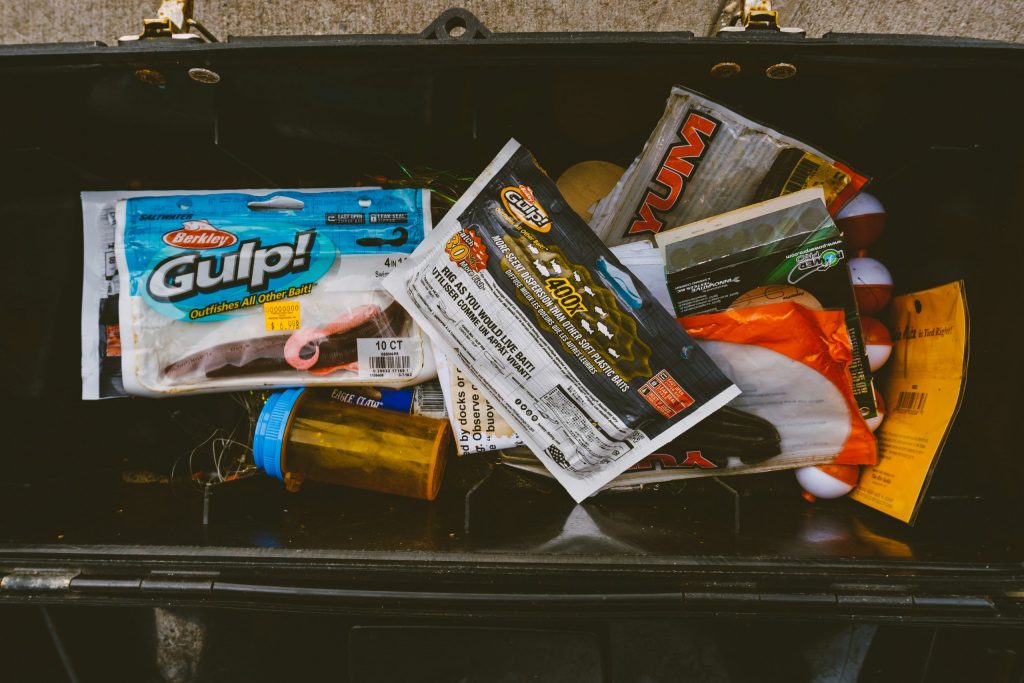
You don’t need a huge tackle collection to fish the Everglades effectively. Build around a few versatile setups and lures.
Rods, Reels & Line
A simple kayak-friendly lineup:
- Rod 1 – Inshore All-Around:
- 7’ medium or medium-light spinning rod
- 2500–3000 reel with 10–15 lb braid and 20–25 lb fluorocarbon leader
- Rod 2 – Heavy Cover / Tarpon Backup:
- 7’ medium-heavy spinning or baitcaster
- 30–40 lb braid with 30–40 lb leader (50–60 lb for larger tarpon)
These two rods cover snook, redfish, trout, snapper, jacks, and juvenile tarpon. Add a dedicated heavy tarpon rod if you plan to intentionally target big fish.
Core Lures & Rigs
Soft Plastics (Workhorse):
- 3–4″ paddle-tail or jerk shad style soft plastics
- Natural colors: white, pearl, silver, new penny, root beer
- Rigged on 1/8–1/4 oz jigheads or weighted swimbait hooks
Subsurface & Topwater Plugs:
- Shallow-running jerkbaits for edges and points
- Small/medium topwater walkers or poppers for dawn and dusk
Backcountry & Creek Staples:
- Shrimp-imitating plastics on light jigheads
- Weightless soft plastics for spooky fish in calm, shallow water
- Simple bottom rigs with live or cut bait around deeper channels and mangrove points
If you carry live bait (shrimp, pilchards, finger mullet), focus on rigs you can safely manage in a kayak—small circle hooks and minimal weight.
Zone-Specific Tactics
Flamingo / Florida Bay:
- Drift or slowly pedal across bays, casting to mangrove points, oyster patches, and potholes.
- Work channel edges and creek mouths on moving tide for snook, reds, and trout.
Ten Thousand Islands & Gulf Coast:
- Use the tidal flow around island points, cuts, and rivers.
- Position your kayak so your casts sweep past ambush spots under overhanging mangroves.
- In low light, work the outer edges of islands and bars for cruising fish.
Backcountry Creeks & Interior Trails:
- Keep tackle compact to avoid tangling in tight mangrove tunnels.
- Focus on bends, junctions, and any visible depth change or current seam.
- Use quieter, lighter presentations—small plastics, flies, or free-lined live bait.
Licenses, Park Rules, and 2026 Harvest Limits
A valid Florida fishing license is required unless an exemption applies. Inside Everglades National Park, FWC seasons and bag limits apply, with additional park rules on top. FWC’s Southwest snook and redfish region explicitly includes all waters of Everglades National Park, so Flamingo / Florida Bay and the Gulf Coast / Ten Thousand Islands side of the park are under that Southwest regional rule, not the Southeast Atlantic rule.
| Rule | What was posted (checked November 23, 2026) | Source |
|---|---|---|
| Snook (FWC Southwest region, including all park waters) | Closed December 1 through the end of February, and May 1 through September 30. Slot: not less than 28 inches or more than 33 inches total length. Bag: 1 per person per day. Hook and line only. A snook permit is required in addition to the recreational fishing license if you intend to harvest snook. Must remain in whole condition until landed ashore. | FWC — Snook |
| Red drum / redfish (FWC Southwest region) | Open year-round. Slot: not less than 18 inches or more than 27 inches total length. Bag: 1 per person per day, 2-fish vessel limit. Hook and line or cast net; no spearing, and no multiple hooks with natural bait. | FWC — Red drum |
| Tarpon (statewide) | Catch-and-release only. No minimum size. Tarpon over 40 inches must remain in the water unless you are pursuing a state or world record with a tarpon tag purchased before fishing. Hook and line only. | FWC — Tarpon |
| Park possession cap and bait rules | NPS: licensed anglers may possess no more than 20 fish per person, and no more than 10 of any one species, unless a species already has a lower bag limit. There is no possession limit for non-native species. In freshwater, live or dead fish (including minnows and shiners) and amphibians are prohibited as bait, and digging for bait in the park is not allowed. | NPS — Fishing in Everglades National Park |
| Mercury advisory | NPS warns that high mercury levels have been found in Everglades bass and in some northern Florida Bay species. Do not eat bass caught north of the Main Park Road. Do not eat bass caught south of the Main Park Road more than once a week. Children and pregnant women should not eat any bass. Additional meal-frequency advice applies to spotted seatrout, gafftopsail, catfish, bluefish, crevalle jack, and ladyfish from northern Florida Bay. | NPS fishing page, mercury warning |
Spotted seatrout and other inshore species have their own FWC regional rules, which were not all copied onto this page because they vary by region and can change. Check the current FWC table for any species you plan to keep. For redfish tactics already covered on this site, see best soft plastics for redfish and best bait for redfish from a kayak. For another big, shallow estuary system, see the Chesapeake Bay kayak fishing guide or the Tampa Bay kayak fishing guide.
In skinny backcountry water, a ParkNPole stakeout pole can hold you on a mangrove point without throwing an anchor into oysters or roots. Wear a fishing-style PFD such as the NRS Chinook fishing PFD the entire time; a compact Newport grapnel anchor is more useful on deeper bay edges than in tight creeks. See the guide to the best PFDs for kayak fishing and the guide to the best kayak anchors.
Wildlife & Safety in the Everglades
The Everglades are as much about wildlife and wildness as they are about fish. That’s a huge part of the appeal—but it also means extra safety awareness.
Weather, Tides & Navigation
- Wind & storms: Summer brings frequent afternoon thunderstorms; plan early launches and be off the water by early afternoon. Always check marine forecasts.
- Tides: Strong tides in coastal areas and passes; learn how water moves through cuts and channels so you can use it rather than fight it.
- Navigation: The mangrove maze can be disorienting. Use:
- GPS or a reliable navigation app
- Park paddling maps and trail markers where available
Make conservative route plans and allow extra time for paddling, especially on your first trip.
Gators, Crocs, Bugs & Birds
Paddling around Flamingo is known for close wildlife encounters—American crocodiles, alligators, manatees, dolphins, and a huge variety of wading birds and ospreys.
Practical tips:
- Keep a respectful distance from all wildlife.
- Never feed animals or leave food scraps.
- In warmer months, mosquitoes and no-see-ums can be intense—carry strong insect repellent, wear long sleeves and pants, and consider a head net for dawn/dusk.
Regulations, Licenses & Limits
Everglades National Park follows Florida’s saltwater fishing regulations but adds park-specific rules.
Key points:
- Fishing license: Anglers generally need a Florida saltwater fishing license; a snook permit is required to harvest snook, and tarpon are effectively catch-and-release with strict rule sets.
- Everglades limits: The park sets a maximum possession of 20 finfish in aggregate per person, with no more than 10 of any one species at a time.
- Tarpon: Commonly targeted as catch-and-release sportfish; regulations require special handling and heavily restrict harvest.
Always grab the latest Everglades fishing regulations at visitor centers or from the park website, and double-check current Florida Fish and Wildlife Conservation Commission (FWC) rules before keeping fish.
Personal Safety Gear
Minimum recommended kit for kayak anglers:
- USCG-approved PFD, worn at all times
- Whistle or sound-producing device
- Waterproof VHF radio or phone in a dry case
- Headlamp or 360° light if near low-light hours
- First aid kit, extra water, and basic repair kit (spare paddle, zip ties, tape)
Everglades Trip-Planning Checklist
- Entrance pass: $35 per vehicle or vessel, or $20 per paddlecraft visitor if you are not arriving in a vehicle, good for 7 days. The park does not take cash. Bring the pass (digital or printed) and a photo ID.
- The right fishing license: freshwater at Nine Mile Pond and north of it on the main park road; saltwater south of Nine Mile Pond and on the Gulf Coast side. Add a snook permit if you plan to harvest snook during an open season.
- Closed waters: no fishing in Eco, Mrazek, or Coot Bay Ponds, and no fishing at the Flamingo or Gulf Coast marina/ramp areas during daylight.
- Tide, wind, and storms: Florida Bay is wind-exposed; summer afternoons often end in storms. Launch early and have a shoreline or canal bail-out.
- Navigation: carry a chart or GPS route, and do not treat unmarked mangrove country as a place you can “just follow the shoreline back.”
- Water, sun, and insects: more drinking water than the paddle looks like it needs, plus sun protection and a realistic bug plan.
- Wildlife: give alligators, crocodiles, and manatees room. Do not feed wildlife. Watch for posted manatee zones.
- Overnight trips: a Recreation.gov backcountry permit for chickees or wilderness campsites, reserved in advance. The 99-mile Wilderness Waterway is a multi-day expedition with a vehicle shuttle, not a day trip.
- Mercury advice: read the NPS fish-consumption warning before you plan a shore lunch of bass or Florida Bay seatrout.
Sources and Method
This guide does not claim firsthand kayak-fishing, launch, or boating experience in Everglades National Park. Fees, closures, and fishing rules were checked on November 23, 2026 against official NPS and FWC pages. Launch rows describe publicly listed accesses; confirm current construction and hours before you go.
- NPS — Everglades National Park fees
- NPS — Fishing in Everglades National Park
- NPS — Facilities and services (ramps, West Lake motor limit, Gulf Coast kayak launch)
- NPS — Everglades FAQs (Nine Mile Pond license dividing line)
- NPS — Everglades Wilderness Waterway
- NPS — Wilderness trip planner
- Recreation.gov — Everglades National Park wilderness permits
- NPS — Gulf Coast canoe/kayak launch
- FWC — Snook (Southwest region includes all park waters)
- FWC — Red drum
- FWC — Tarpon
- FWC — Saltwater recreational fishing licenses
FAQs: Kayak Fishing Everglades National Park
Do I need a fishing license to kayak fish the Everglades?
Yes. Most anglers need a valid Florida saltwater fishing license to fish Everglades National Park, even if you are catch-and-release only. Additional permits (like a snook permit) apply if you plan to keep certain species.
Where is the best place to launch a fishing kayak in the Everglades?
Popular starting points include:
- Flamingo Visitor Center/Marina for Florida Bay and Buttonwood Canal
- Gulf Coast / Everglades City / Chokoloskee for Ten Thousand Islands access
- Trailheads such as Nine Mile Pond and Coot Bay Pond for interior paddling routes
Pick your launch based on wind, tide, and whether you want coastal, bay, or interior creek water.
What’s the best time of year to kayak fish the Everglades?
You can fish year-round, but many kayak anglers favor late fall through spring for comfortable weather, lower bugs, and concentrated fish in creeks and bays. Winter and early spring are especially good for snook, redfish, and juvenile tarpon in backcountry water.
Is it safe to kayak around alligators and crocodiles?
Yes, if you use common sense and maintain distance. Alligators and crocodiles in the park are accustomed to boats and typically avoid close contact.
- Don’t feed them or throw fish scraps near your kayak.
- Avoid crowding animals on shorelines or in narrow channels.
- Give large animals extra space and move away calmly if one approaches too closely.
How many rods should I bring on my kayak?
Two to three rods are plenty:
- Medium spinning setup (10–15 lb braid) for plastics and lighter lures.
- Medium-heavy setup (30–40 lb braid) for snook in heavy cover and tarpon.
- Optional dedicated tarpon rod if you specifically target larger fish.
Limit rods and gear to what you can manage safely in tight mangrove creeks.
Can I camp and kayak fish on a multi-day trip?
Yes. The park supports multi-day kayak routes using backcountry campsites and chickees (elevated camping platforms), especially along the Wilderness Waterway and coastal routes.
You’ll need:
- Backcountry camping permits
- Solid navigation plan
- Extra safety gear, food, and water
Check current backcountry regulations and reservation systems through the park before planning a multi-day trip.
Final Thoughts
Kayak fishing Everglades National Park is as close as you can get to true inshore wilderness in the lower 48. The combination of snook, redfish, and tarpon in an endless maze of mangroves, bays, and creeks makes this place a lifetime destination—not a one-time trip.
If you:
- Choose a zone that matches your experience level (Flamingo, Ten Thousand Islands, interior trails)
- Launch with a clear tide and weather plan
- Carry a tight tackle kit built around soft plastics and simple rigs
- Respect the wildlife, regulations, and remoteness of the area
…you’ll be set up to fish the Everglades confidently from a kayak. Start with shorter day routes, log where you see bait and fish, and each trip will open up more of the park’s hidden water and unpressured fish for you to explore.